Replacing your roof is one of the biggest investments you can make in your home. A properly installed system protects the property from rain, snow, wind, and changing temperatures while improving its appearance and long-term value. Understanding roof replacement cost in NJ is difficult, though, because no two roofing projects are alike.
The total depends on the size and slope of the roof, the materials chosen, labour, removal of existing shingles, and the condition of the decking underneath. New Jersey homeowners also have to account for regional weather, local permit requirements, and the complexity of the home’s design.
Whether you own a home in Warren, Hunterdon, or Morris county, understanding these cost factors helps you prepare a realistic budget and compare estimates with more confidence.
How Much Does Roof Replacement Cost in NJ?
As a broad planning reference, published 2026 cost guides place many residential roof replacements between roughly $8,500 and $22,000, though simpler projects cost less and larger or more complex ones exceed it.
These are budgeting references, not guaranteed prices. Your actual quote should come from measurements, material selections, an inspection, and a clearly defined scope of work. The useful thing is to understand the factors that determine that figure.
1. Roof Size and Total Roofing Area
Size is the single biggest factor. A larger roof needs more shingles, underlayment, flashing, fasteners, labour, and disposal capacity.
Your home’s interior square footage is not the same as its roof surface area — measurements have to account for slope, overhangs, dormers, and other features.
How roofers measure roofing projects
Contractors measure in squares. One roofing square equals 100 square feet of roof surface:
- 15 squares = 1,500 sq ft of roof surface
- 20 squares = 2,000 sq ft
- 25 squares = 2,500 sq ft
- 30 squares = 3,000 sq ft
Contractors also account for cutting waste, overlaps, ridge caps, and valleys. A steep roof or one with multiple dormers can have substantially more surface than the floor plan suggests — so ask whether your estimate is based on measured roof dimensions.
2. Roofing Material and Shingle Quality
Material choice moves the total significantly. Asphalt shingles are popular in New Jersey because they span a range of styles, colours, and price points.
Common options
Architectural asphalt shingles — widely used, dimensional appearance, available in different colours and specifications; premium versions may add wind resistance.
Three-tab asphalt shingles — simpler, flatter, often less expensive.
Premium and designer shingles — distinctive aesthetics and specialised performance at higher material cost.
Metal roofing — different appearance and durability profile; cost depends on metal type, panel design, and installation method.
Slate and specialty materials — higher material and labour costs, and the weight may require assessing whether the structure can support it.
Alte Roofing installs GAF roofing systems including architectural asphalt shingles. Consider expected service life, wind resistance, maintenance, and warranty conditions — not just the purchase price. A lower material price is not a lower long-term cost if the requirements differ.
3. Roof Pitch, Slope, and Architectural Complexity
Pitch describes how steeply a roof rises over a horizontal distance. Steeper roofs need additional fall protection, specialised equipment, more careful material handling, and more installation time — and they have more surface area than a flatter roof over the same footprint.
Features that increase labour
- Multiple valleys and intersecting slopes.
- Dormers and complex roof transitions.
- Chimneys and skylights.
- Numerous plumbing vents and other penetrations.
- Difficult access or limited space for equipment.
Two homes with similar interior square footage can receive very different estimates because their roof shapes and accessibility differ. Ask whether the contractor has accounted for these rather than comparing totals alone.
4. Removal of Existing Shingles and Roofing Layers
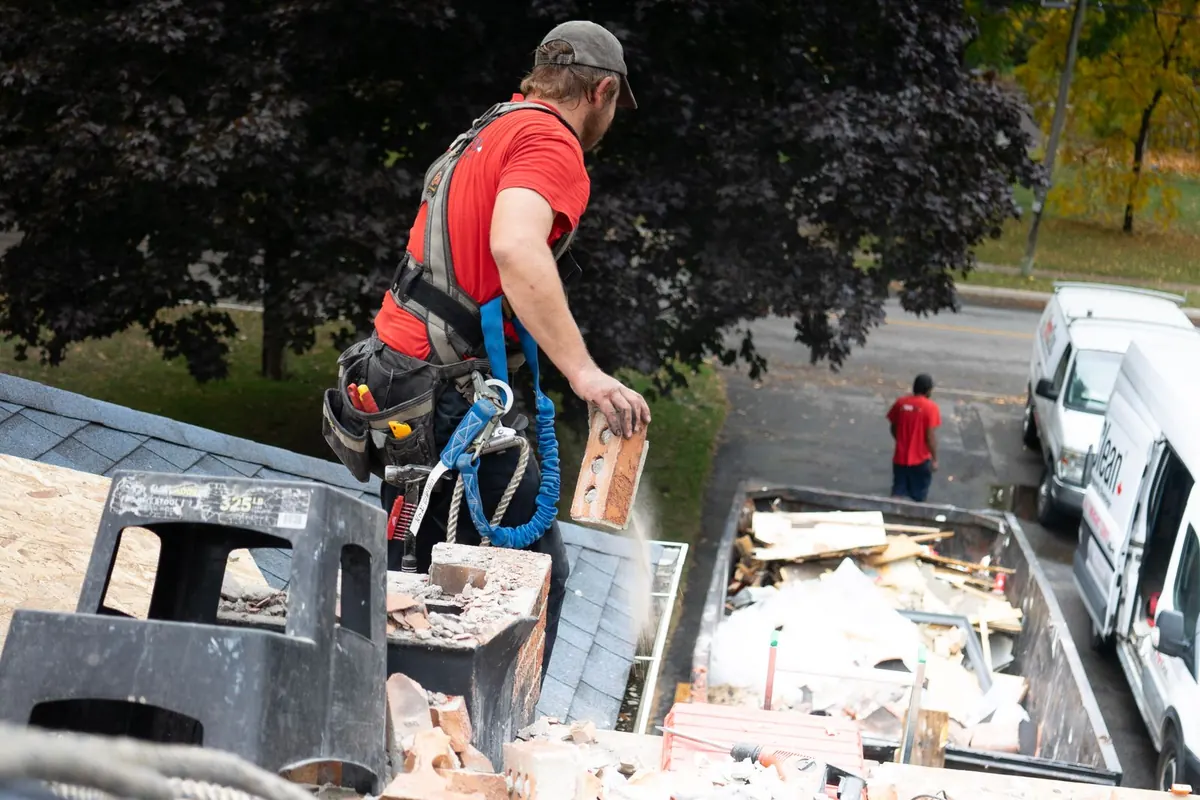
A complete replacement usually includes removing the existing roofing and inspecting the deck underneath. Removal cost depends on the number of existing layers, the material, access, labour, and disposal.
Tear-off matters because it lets the contractor see problems that would otherwise stay concealed. Leaving old roofing in place is not automatically an acceptable way to reduce cost — the right method depends on the existing system, code requirements, manufacturer instructions, and roof condition.
Ask your contractor to specify how many layers are included, how debris will be removed, and whether disposal is in the quoted price.
5. Roof Decking Damage and Structural Repairs
The decking is the surface attached to the framing that supports the roofing materials. If it has deteriorated from moisture, leaks, or other damage, sections need repair or replacement before new roofing goes on. Warning signs include:
- Persistent roof leaks.
- Water stains or damp areas in the attic.
- Soft or deteriorated wood found during inspection.
- Visible sagging or changes in the roofline.
- Previous moisture damage around roof penetrations.
Some conditions cannot be confirmed until the old roofing is off, so an initial estimate may flag potential decking repairs without knowing the exact quantity. Ask how concealed damage will be documented, explained, and approved before extra charges are incurred.
6. Underlayment, Flashing, Ventilation, and Other Components
A roof is more than its visible shingles, and replacing the supporting components affects the total.
Underlayment sits beneath the primary roofing material as an additional protective layer.
Ice-and-water protection may be required at eaves and valleys — particularly relevant where freezing temperatures, snow, and ice buildup occur.
Flashing and drip edge direct water away from joints, penetrations, and roof edges. Damaged or poorly installed flashing causes leaks even when shingles are sound.
Ventilation should be evaluated as part of the system; existing deficiencies may need addressing to manage heat and moisture in the attic.
Request a written estimate that spells out the underlayment, flashing, ventilation, and accessories included — that is what lets you compare scope rather than shingle price.
7. Labour, Contractor Experience, and Project Access
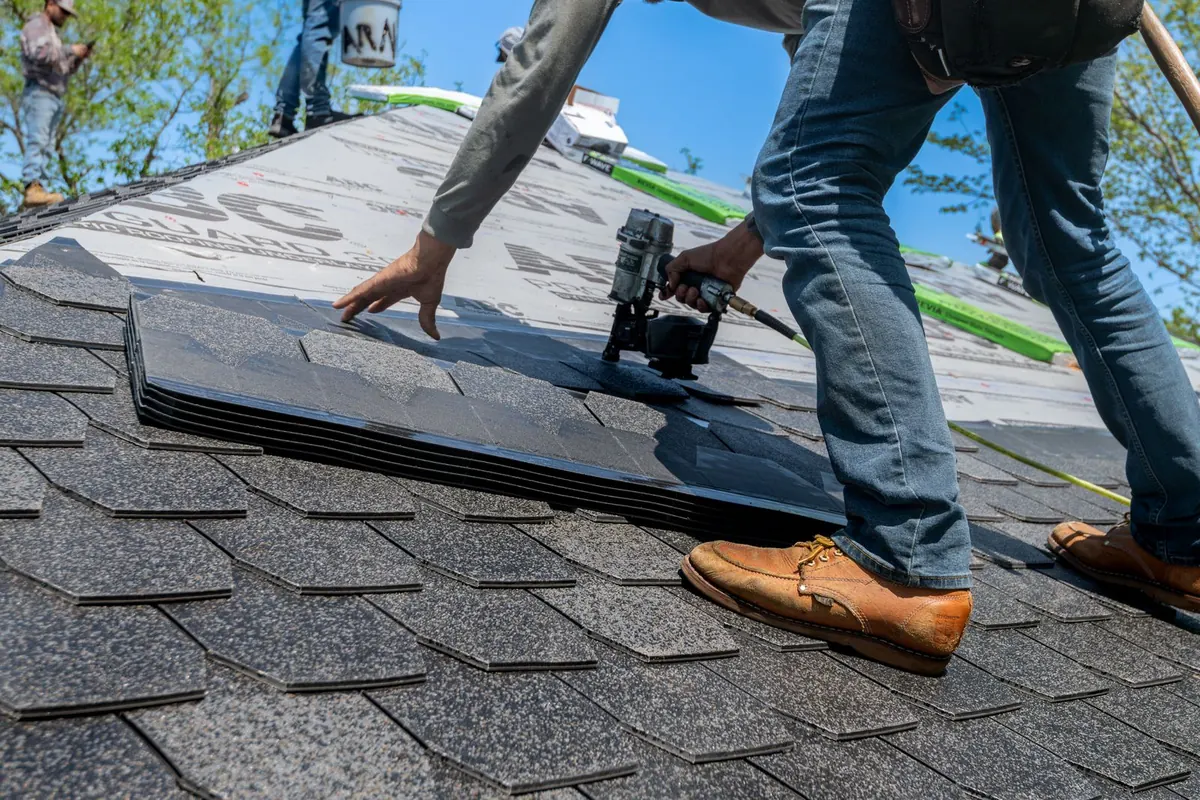
Installation involves preparing the work area, removing existing materials, inspecting the deck, installing the system, managing flashing and ventilation details, and cleaning up. Labour varies with complexity, height, accessibility, material selection, project size, and the condition of the existing roof.
Two contractors can quote the same property differently because they propose different materials, installation details, warranties, or scopes. A higher quote is not automatically better, and the lowest is not automatically best value. Before choosing, ask for:
- A detailed written estimate.
- Confirmation of materials and product specifications.
- Proof of applicable licensing and insurance.
- A clear project scope and payment schedule.
- Written workmanship and manufacturer warranty information.
- An explanation of how additional repairs will be priced and approved.
New Jersey homeowners should also verify contractor registration through the New Jersey Division of Consumer Affairs.
8. Permits, Building Requirements, and Waste Disposal
Replacement may involve local permit requirements, inspections, and disposal costs, and these vary by municipality — do not assume the same rules and fees apply across New Jersey. Local construction officials determine what is required; your contractor should be able to explain which approvals your project needs and whether the estimate covers applications, scheduling, and fees.
The work also produces debris requiring a dumpster, disposal fees, protective coverings, and cleanup. Confirm before signing which permit charges, disposal costs, and inspection fees are included and which are additional.
9. Weather, Timing, and Additional Project Requirements
New Jersey’s seasonal weather influences scheduling. Rain or unsuitable temperatures may require rescheduling or extra steps to protect the home, and installation requirements depend on the material and the manufacturer’s instructions.
If you have an active leak or significant storm damage, delaying an inspection to wait for a preferred season usually lets the problem worsen.
Additional work that affects the budget includes replacing damaged gutters or downspouts, repairing fascia or soffit, addressing ventilation deficiencies, replacing decking, updating flashing around chimneys or skylights, or coordinating roofing with other exterior renovations. These are not automatically included in a standard quote.
Example Budget Ranges by Project Size
Roof size is useful for initial budgeting but should not be the only input. The table below uses illustrative planning figures for an asphalt shingle replacement, assuming a reasonably straightforward installation. These are not Alte Roofing & Siding quotes or guaranteed prices.
| Approximate roof surface | Illustrative planning range |
|---|---|
| 1,500 sq ft | $7,500 – $13,500 |
| 2,000 sq ft | $10,000 – $18,000 |
| 2,500 sq ft | $12,500 – $22,500 |
| 3,000 sq ft | $15,000 – $27,000 |
These use a broad allowance of roughly $5–$9 per square foot. Actual installed prices fall outside this range depending on material selection, local labour, complexity, tear-off requirements, and decking repairs. An on-site assessment and itemised estimate are far more useful than a statewide average.
How to Compare Roof Replacement Estimates
Compare what each contractor proposes to install, not just the final figure. A lower quote may exclude work another has included. Use this checklist:
- Roof measurements and total roofing area.
- Manufacturer, product line, and shingle type.
- Removal and disposal of existing layers.
- Underlayment and required ice-and-water protection.
- Flashing, drip edge, ridge caps, and ventilation details.
- Allowance or unit price for damaged decking.
- Permit responsibilities and fees.
- Cleanup and protection of the property.
- Installation timeline and payment terms.
- Workmanship and manufacturer warranties.
- Procedures for approving additional work.
Is Replacement Worth It, or Should You Repair?
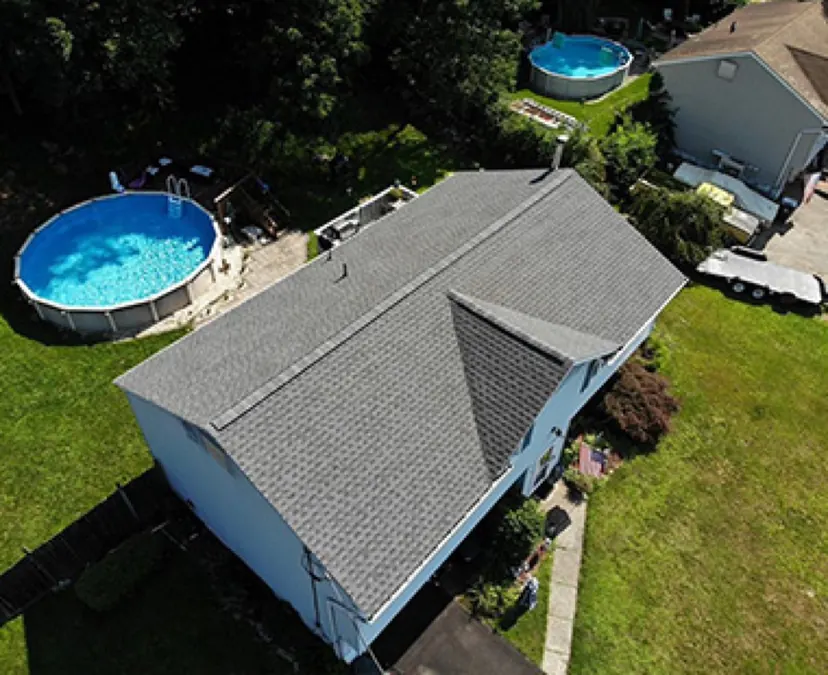
A complete replacement is a substantial investment and is not always necessary when a problem first appears. If the roof is relatively young and damage is limited, a targeted repair may be appropriate. If materials have deteriorated widely, leaks keep returning, or the roof is near the end of its service life, replacement is usually the more practical long-term option. Weigh:
- The age and overall condition of the roof.
- Whether damage is isolated or widespread.
- How frequently repairs have been needed.
- Whether the deck or other components are damaged.
- Expected remaining service life after repairs.
- Repair cost compared with replacement.
The objective is a suitable solution for your home — not replacing a roof that can be reliably repaired.
Frequently Asked Questions
What is the average roof replacement cost in NJ?
Published 2026 estimates place many residential projects in the approximate $8,500–$22,000 range, but smaller projects cost less and larger or more complex roofs considerably more. Request a measured estimate.
How much to replace a 2,000-square-foot roof in New Jersey?
For an illustrative asphalt shingle project, roughly $10,000–$18,000 is a useful planning range for 2,000 sq ft of roof surface. This is not a fixed market price or a quote.
What is the cheapest roofing material for a New Jersey home?
Basic asphalt shingles are often among the more affordable options for pitched roofs, but availability, specifications, and installation requirements affect the final price. Compare the complete installed system, not material cost alone.
Does roof pitch affect replacement cost?
Yes. Steep roofs need extra safety equipment, labour, and time, and they carry more surface area than a lower-slope roof over the same footprint.
Does roof replacement include new plywood decking?
Not necessarily. Some estimates include a defined allowance for decking repairs; others price it separately if damage is found after tear-off. Ask how concealed damage is documented and approved.
Do I need a permit to replace my roof in New Jersey?
It depends on scope and municipality. Confirm with your local construction office and ask whether the estimate covers permit applications, fees, and inspections.
Is roof replacement covered by homeowners insurance?
It depends on the policy, cause of damage, exclusions, deductible, and the insurer’s assessment. Sudden covered damage is treated differently from age-related deterioration.
How long does a roof replacement take?
Many straightforward asphalt shingle replacements finish in a day or a few days, depending on size, complexity, weather, crew, and unexpected repairs.
How can I reduce cost without sacrificing quality?
Arrange an inspection before damage becomes urgent, compare detailed written estimates, choose a system suited to your needs, and clarify what the contract includes. Avoid choosing on lowest quote alone if essential materials, safety measures, or repairs are excluded.
Request a Roof Replacement Estimate in New Jersey
If your roof is aging, has recurring leaks, or has taken storm damage, the next step is establishing what your property actually needs.
Alte Roofing & Siding has been family-owned and serving New Jersey since 2000, and is a GAF Master Elite® and President’s Club certified contractor. Call 908-850-8558 or request a free estimate — a project-specific estimate will account for your roof’s measurements, material selection, accessibility, existing conditions, and installation requirements.