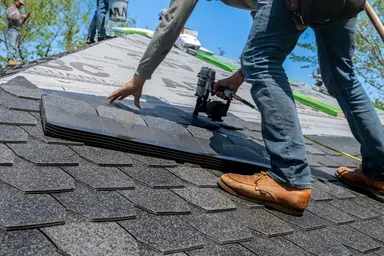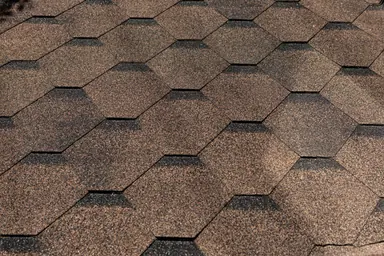
Your roof protects your home from rain, snow, wind, heat, and everything else the weather brings. But even a well-maintained roof eventually wears out. Recognising the signs you need a new roof lets you address problems early, protect the house from water damage, and avoid an unplanned expense.
For New Jersey homeowners, regular roof inspections matter more than most. Winter snow, freezing temperatures, ice dams, summer heat, heavy rain, and storm winds all work on roofing materials over time.
So how do you know whether your roof needs a few repairs or a complete roof replacement? The common warning signs are curling or missing shingles, granules collecting in gutters, recurring leaks, damaged flashing, a sagging roofline, and an aging roofing system. One sign alone rarely means you need a new roof — several together often do.
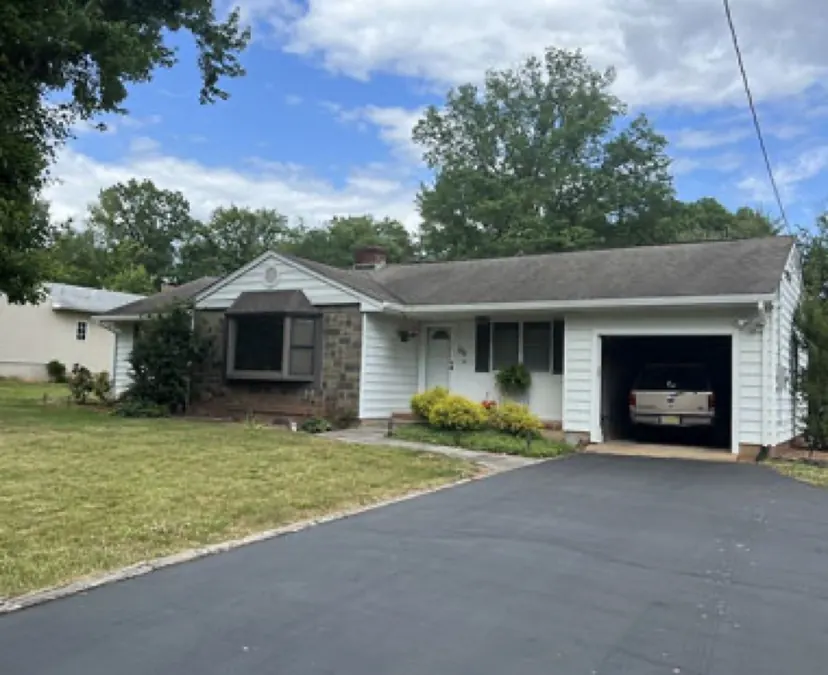
1. Your Roof Is Approaching the End of Its Lifespan
Many asphalt shingle roofs have an expected service life of roughly 20 to 30 years, though actual longevity depends on shingle type, installation quality, attic ventilation, maintenance, weather exposure, and manufacturer specifications.
Older roofs can develop hidden problems — deteriorated underlayment, weakened shingle seals, worn flashing, and moisture damage beneath the visible materials.
How to check your roof’s age
Start with home purchase documents, previous roofing invoices, installation records, or warranty paperwork. If you cannot establish when the roof went on, a contractor may be able to estimate its age from the materials and their condition. Watch for:
- Shingles approaching their expected service life.
- Repeated repairs in recent years.
- Shingles becoming brittle, curled, cracked, or discoloured.
- Leaks after heavy rain or snow.
- Several sections showing similar deterioration.
Roof age alone does not determine whether replacement is necessary. The condition of the whole system matters just as much.
2. Your Shingles Are Curling, Cracking, or Missing
Asphalt shingles are the protective layer against moisture and weather. Sunlight, temperature swings, wind, and moisture all degrade them over time.
Curling or buckling shingles
Shingles may curl at the edges, develop raised corners, or look uneven across the surface — signs of aging, installation problems, or inadequate ventilation. Once shingles no longer lie flat and shed water properly, wind and rain can reach what is underneath.
Cracked or broken shingles
Cracks let moisture reach the underlayment and roof deck. A few damaged shingles may be repairable; widespread cracking suggests the materials are deteriorating across multiple sections.
Missing shingles after a storm
Strong winds loosen or remove shingles, leaving exposed areas. If you find shingles in the yard or see missing sections after a storm, arrange an inspection promptly — particularly after nor’easters and strong windstorms.
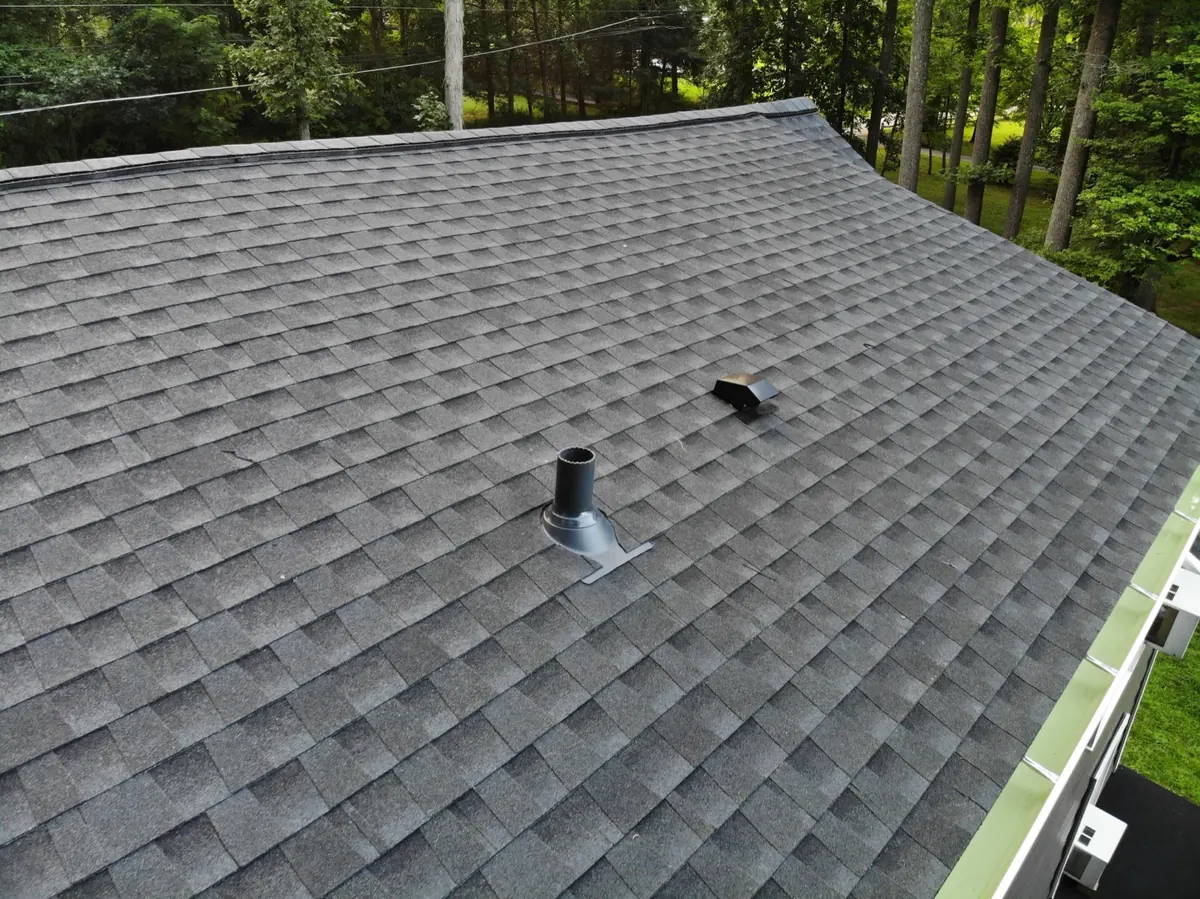
3. You Notice Granules Collecting in Your Gutters
Asphalt shingles carry protective mineral granules that shield the material underneath from ultraviolet radiation and weather. As shingles age, granules loosen and wash away.
What do roofing granules look like?
They resemble coarse sand or small gritty particles, and collect inside gutters, around downspouts, or on the ground where rainwater drains. You may also see dark or bald patches on the shingles themselves.
Why granule loss matters
As the protective layer disappears, the underlying asphalt is exposed to sunlight and weather, which accelerates deterioration. Look for:
- Persistent granule buildup in gutters after rainfall.
- Bare or uneven patches on shingles.
- Shingles that look unusually worn or brittle.
- Granule loss across several roof sections.
Small amounts of granule loss are normal, especially on newer shingles. Heavy, ongoing accumulation on an older roof is worth an inspection.
4. You See Water Stains or Recurring Roof Leaks
A roof leak may start at a damaged shingle, chimney, skylight, vent, or flashing joint. Water then travels along decking or rafters before appearing inside — which is why the location of a ceiling stain rarely identifies where water actually entered.
Common signs of a leaking roof
- Yellow or brown stains on ceilings.
- Peeling paint or bubbling drywall near the ceiling.
- Damp insulation or water stains in the attic.
- Dripping during or after heavy rain.
- Musty odours or persistent moisture.
- Leaks that return after previous repairs.
Can a leaking roof be repaired?
Often, yes. A leak from localised flashing damage or a few damaged shingles may be repairable. Repeated leaks, widespread deterioration, or moisture affecting multiple areas point toward a system nearing the end of its life. If water is near electrical fixtures, stay clear of the area and call a professional.
5. Damaged Flashing or Repeated Ice Dam Problems
Shingles are only one part of a roofing system. Flashing, underlayment, valleys, ventilation, and drainage all keep water away from vulnerable areas.
Flashing sits around chimneys, plumbing vents, skylights, valleys, and anywhere the roof meets another surface. When it loosens, corrodes, cracks, or loses its seal, water gets in even when the surrounding shingles look fine. Watch for visible gaps, lifted metal, damaged sealant, rust, or leaks recurring near those details.
How ice dams affect New Jersey roofs
In winter, snow melting on a warmer part of the roof can refreeze near the colder eaves. The resulting ice blocks drainage and lets water back up beneath the roofing materials, contributing to:
- Water stains on ceilings and walls.
- Damp attic insulation.
- Damaged shingles and roof edges.
- Moisture problems around exterior walls.
- Damage to gutters and drainage components.
Ice dams do not automatically mean you need a new roof. Correcting the underlying cause — usually insulation, ventilation, or air sealing — often matters more than replacing serviceable shingles.
6. Your Roofline Is Sagging or You Notice Attic Damage
A sagging roofline is a serious warning sign that needs prompt professional evaluation. A healthy roof should not develop a visible dip or uneven section. Sagging can mean damaged decking, deteriorated structural components, or prolonged moisture exposure.
Do not assume new shingles will resolve it. If you can safely access the attic, look for water stains on decking or rafters, damp or compressed insulation, daylight through unintended openings, wood deterioration, or unusual bending in structural components.
Avoid walking on attic framing, and do not climb onto the roof to investigate. If sagging is substantial or worsening, keep people away from the area and seek urgent assistance — a structural engineer may be needed alongside the roofing contractor.
7. You Keep Paying for Roof Repairs
Repeated repairs are their own warning sign. Replacing a few shingles may stop one leak without touching the deterioration affecting the rest of the roof. Consider a comprehensive inspection if:
- New leaks appear in different areas.
- Shingles keep failing after previous repairs.
- Multiple roof slopes show visible deterioration.
- Flashing and other components repeatedly develop problems.
- Repair costs accumulate without lasting results.
A relatively young roof with isolated damage is a good candidate for repair. An older roof with widespread deterioration often offers better long-term value replaced rather than repeatedly patched.
Roof Repair vs. Roof Replacement: Which Do You Need?
Not every roofing problem requires a new roof. The right solution depends on the extent of damage and the condition of the existing system.
| Situation | Potential solution |
|---|---|
| A few missing shingles after a windstorm | Targeted roof repair |
| A localised leak around flashing | Flashing repair or replacement |
| Minor damage on a relatively young roof | Repair and continued maintenance |
| Widespread curling or cracking across multiple slopes | Roof replacement evaluation |
| Extensive granule loss with recurring leaks | Replacement may be appropriate |
| Visible sagging or suspected structural damage | Prompt professional assessment |
This is general guidance, not a diagnosis. A professional inspection determines the right solution for your home.
Why New Jersey Homeowners Should Watch Roof Condition
New Jersey homes see summer heat, heavy rainfall, freezing temperatures, snow, and strong winds. Effects vary by location: homes in northern and western New Jersey face significant winter snow and freeze-thaw conditions, while coastal properties get wind, moisture, and salt-laden air.
Seasonal roof maintenance
After severe storms: look from the ground for missing shingles, fallen debris, and damaged gutters.
Before winter: address known problems and make sure gutters and downspouts drain properly. Ask about attic ventilation and insulation if ice dams recur.
During spring: check for winter damage — leaks, loose flashing, damaged shingles, water stains.
During summer: schedule repairs or plan a replacement, and address ventilation or moisture issues found during an inspection.
For homeowners in Hunterdon, Sussex, Warren, and Morris counties, periodic inspections catch developing issues before they cause more extensive damage.
What Should You Do If Your Roof Shows These Signs?
If you have noticed several of the signs above, take a measured approach rather than assuming you need a new roof.
- Document visible problems. From the ground, note missing shingles, uneven sections, and debris. Photograph from a safe location.
- Check for interior warning signs. Look for ceiling stains, damp areas, musty odours, or visible moisture in accessible areas. Do not enter an unsafe attic.
- Arrange a professional inspection. A contractor can evaluate shingles, flashing, valleys, and visible decking to establish whether the problem is isolated or widespread.
- Compare your options. Ask whether a repair provides a reliable solution or whether the roof’s condition makes replacement worth considering. Request a written estimate explaining the scope and materials.
- Plan the work before damage worsens. If replacement is recommended, discuss materials, ventilation, underlayment, scheduling, warranties, and permit requirements.

Frequently Asked Questions
What are the most common signs you need a new roof?
An aging roof, curling or cracked shingles, missing shingles, heavy granule loss, recurring leaks, damaged flashing, and visible sagging. Several occurring together suggest replacement should be considered.
How do I know if my roof needs repair or replacement?
Repair suits isolated damage when the rest of the system is in good condition. Replacement suits widespread deterioration, returning leaks, or a roof near the end of its service life. An inspection determines which.
How long does an asphalt shingle roof last in New Jersey?
Roughly 20 to 30 years, though performance varies with product, installation, ventilation, maintenance, and exposure. Check the manufacturer’s documentation and have older roofs inspected.
Can a roof leak without visible shingle damage?
Yes. Water enters through damaged flashing, valleys, vent penetrations, skylights, or concealed defects, then travels before appearing as a ceiling stain. The source is rarely directly above the visible damage.
Should I replace my roof after a storm?
Not necessarily. Storm damage may need only localised repairs. Have the roof inspected after significant weather, especially if you see missing shingles or leaks.
Does a sagging roof always mean replacement?
A sagging roofline indicates a structural problem needing prompt evaluation. The solution depends on cause and extent; a structural engineer may be required if integrity is in question.
Can I inspect my roof myself?
You can check many signs from the ground and look for interior stains in safely accessible areas. Avoid climbing onto the roof or walking on damaged surfaces.
Does homeowners insurance cover roof replacement?
It depends on your policy, the cause of damage, exclusions, deductibles, and the insurer’s assessment. Sudden covered storm damage is treated differently from gradual wear. Review your policy before assuming coverage.
Need a Roof Inspection in New Jersey?
If you have noticed curling shingles, recurring leaks, granule loss, storm damage, or other signs of deterioration, Alte Roofing & Siding can help you evaluate what your home actually needs.
We have been family-owned and serving New Jersey since 2000, and are a GAF Master Elite® and President’s Club certified contractor providing roof repair, roof replacement, siding, gutters, and windows.
You do not need to wait for an active leak to ask questions about an aging roof. Call 908-850-8558 or request a free estimate to find out whether your roof needs a targeted repair, further monitoring, or a planned replacement.